How Farm Parks Serve as Living Laboratories for Ecological and Agricultural Research

Recent Trends in On-Site Research
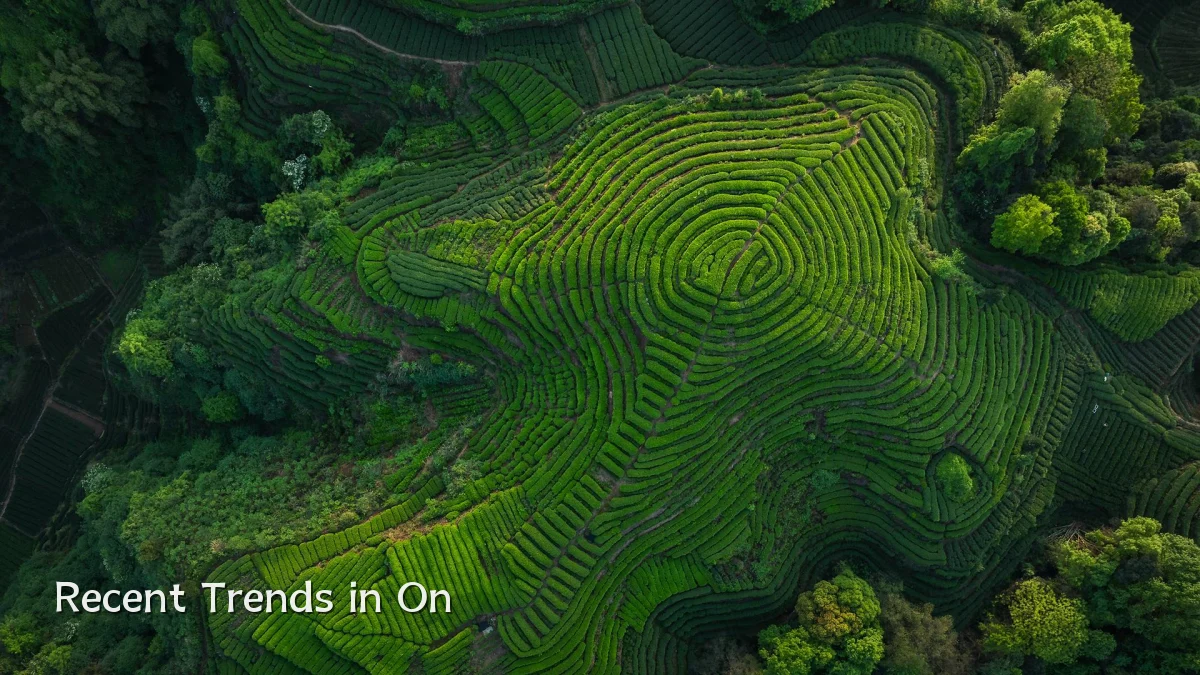
Over the past few years, a growing number of farm parks have shifted from purely educational or recreational venues to active research hubs. Universities, agricultural extension services, and environmental agencies now partner with existing farm parks to study real-time interactions between crops, livestock, soil health, and local ecosystems. This trend reflects a broader push toward applied, field-based science that can adapt quickly to changing climatic and market conditions.
Background: From Public Farms to Experimental Grounds
Farm parks originally opened as places for urban and suburban visitors to experience rural life. Their enclosed, managed settings made them ideal for controlled trials without the regulatory and logistical complexities of large commercial farms. Researchers began using them in the 2010s to test integrated pest management, rotational grazing, and water catchment systems. Today, many farm parks dedicate designated plots or pastures exclusively for long-term ecological monitoring and agricultural experiments.

User Concerns and Practical Considerations
- Data replicability: Critics ask whether findings from a single farm park apply to broader regions, given each site’s unique soil, microclimate, and visitor traffic.
- Funding stability: Farm parks often rely on seasonal admissions and grants; research programs can stall if revenue drops.
- Visitor conflict: Scientists need uninterrupted observation, while the public expects access. Scheduling and fencing solutions are still being refined.
- Regulatory gray areas: Some local zoning laws treat farm parks as recreational spaces, limiting permits for experimental plots or composting trials.
Likely Impact on Agriculture and Ecology
If current partnerships continue, farm parks could become regional testbeds for cover-crop rotations, soil carbon sequestration, and pollinator habitat restoration. The low-risk environment allows researchers to trial marginal ideas—such as perennial grain varieties or biochar amendments—before scaling to production farms. In turn, farm park operators gain data-driven insights to improve their own yields and reduce inputs. The public also benefits from live demonstrations of sustainable practices.
What to Watch Next
- Standardization of protocols: Expect collaborative networks to emerge, sharing replicable research designs across multiple farm parks.
- Funding models: Watch for pilot programs that bundle research grants with visitor programming fees.
- Zoning updates: Municipalities may revise land-use categories to explicitly allow “agricultural research” alongside “education/recreation.”
- Longitudinal studies: As data sets accumulate over five- to ten-year spans, farm parks could offer rare insights into slower ecological processes like soil microbiome shifts.